






Google can only rank the pages it can crawl, render and index
Technical SEO that removes what holds your site back
Great content does nothing if Googlebot hits a redirect chain, a blocked folder or a page that takes six seconds to render. Many ranking problems start with a technical cause, not a content one.
Technical SEO is the part of search optimization that deals with how your website works, not what it says. We look at crawling, indexing, rendering, site speed, site architecture and structured data, find what blocks search engines and AI crawlers, and fix it together with your developers. You get a prioritized list of fixes, not a 200 page export from a tool. Every issue comes with its impact on traffic, the pages affected and the exact steps needed to solve it.
Need content and link building as well? Our SEO services cover the full strategy. Technical SEO is the foundation everything else stands on.


The people you'll actually work with
Personal Services
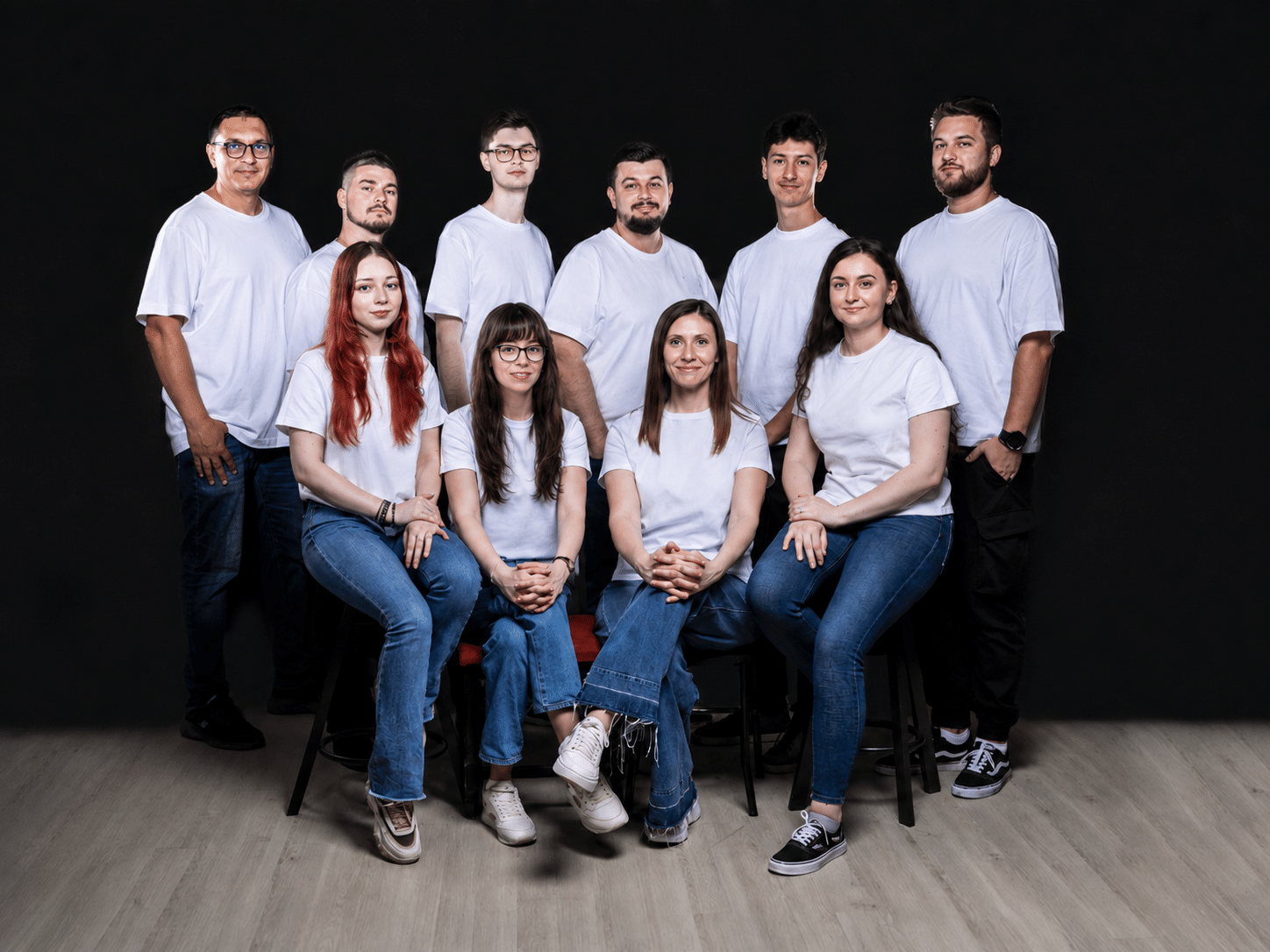
We're Roxana and Vlad — co-founders, and the two people you'll deal with directly on your project. Not account managers, not a sales team, not "your dedicated success specialist."
I'm Roxana. I spent years in marketing across Mexico City, London, and Abu Dhabi before coming home to Romania to build something of my own. I'm the one who sits down to understand your business — your clients, your offer, what's keeping you up at night.
Vlad is the strategist and operator. He came up through international logistics and competed at European business finals as a student in Constanța. He's the one who'll break your funnel into 20 pieces until he finds exactly where it's leaking, and then fix it.
We work with you directly because that's how SEO actually delivers results. Subcontracting, layers of account managers, and "monthly check-in calls" don't move rankings. Understanding your business does.
And on SEO specifically, we have a clear conviction: you can do it ethically, or you can do it so it looks like it's working. We chose the first. We don't promise #1 rankings in 30 days. We don't use tactics that get clients penalized a year later. We don't pad reports to justify invoices. We figure out what actually grows your business — and then we do that.
Our team works remotely. The money other agencies spend on offices, we spend on the work itself. We watch every dollar leaving the company because we're entrepreneurs ourselves — and we treat your budget the same way.
If that's the kind of partner you're looking for, we're one message away.
How Growwwise Helps Businesses

"The results speak for themselves"
"Growwwise team boost our business"
An award-winning team for technical SEO






Technical SEO done right
Street Insider Features Growwwise as a Top Digital Agency
Recognized by DesignRush B2B Marketplace #12

Making happy clients all over the world


Ours review from the leading marketplace for finding business services
What technical SEO covers on your website
Crawling, indexing, rendering, speed and structure

Problems can appear at each of these steps. A robots.txt rule can block an entire folder. A wrong canonical tag can send ranking signals to the wrong URL. A JavaScript framework can hide content until the page is rendered, and some crawlers never wait for that. None of this is visible when you browse the site as a visitor, which is why it often goes unnoticed for months.
We start from the data search engines leave behind: Google Search Console reports, server logs when they are available and a full crawl of the site. That shows how Googlebot actually moves through your pages and where it gets stuck.
AI search adds a new layer. ChatGPT, Perplexity and Google AI Overviews rely on crawlers too, and a page they cannot access cannot be quoted in their answers.



Technical SEO for every type of website


Ask for a technical SEO audit of your website
Tell us about your site and the problem you see:
A sudden drop in traffic, pages that are not indexed, a migration that went wrong or a site that feels slow. Describe what you noticed and we will tell you what we would check first.
Simple fixes often show up in Search Console within a few weeks, once Google recrawls the affected pages. Bigger changes, like a site migration, need more time to settle.
What our technical SEO
services include

Technical SEO Audit

Crawling and Indexing:

Site Speed and Core Web Vitals:

Site Architecture and Internal Links:

Structured Data:

Website Migrations:

JavaScript SEO:
Technical fixes you can measure


Tell us more about your project
we'd love to hear from you.
Why work with
Growwwise on technical SEO
- we explain every issue in plain language, with its business impact
- each recommendation comes with clear steps your developers can follow
- fixes are prioritized by impact, not by how many warnings a tool shows
- we check every change after it goes live
- one point of contact from audit to implementation

We fixed it for our own sites
We can fix it for yours too

Our team covers the skills a technical project needs: SEO specialists, developers and people who understand how search engines read a page. A small site usually needs one specialist. A large ecommerce or enterprise site may need several people working in parallel, and we scale the team to the project.
Technical SEO issues we fix most often
 1. CRAWLING AND INDEXING ERRORS
 2. DUPLICATE CONTENT AND CANONICALS
 3. SLOW PAGES
- Largest Contentful Paint (LCP)
- Interaction to Next Paint (INP)
- Cumulative Layout Shift (CLS)
- server response time
 4. BROKEN LINKS AND REDIRECT CHAINS
 5. FACETED NAVIGATION AND FILTERS
 6. MIGRATIONS GONE WRONG

How a technical SEO project works
A small site can be audited in a few days. Large ecommerce or enterprise sites take longer, because we crawl them in sections and compare the results with server logs. You get updates at every step, so you know what we found before the final report is ready.
Crawl, Logs and Search Console
When server logs are available, we use them to see how often Googlebot visits each section of the site and where it wastes its time.
The result is a list of issues ranked by their impact on traffic and by the effort needed to fix them. Quick wins go first.
The plan for your technical SEO fixes
1. CRAWL THE WEBSITE
2. PRIORITIZE THE ISSUES
3. IMPLEMENT THE FIXES
4. MONITOR AND VALIDATE
Technical SEO and much more from the award-winning Growwwise team
Google Guidelines and
Technical SEO
Google publishes clear rules on how it crawls and indexes websites. Technical SEO means following them on every page, not only on the homepage.
Google Search Central documents how Googlebot discovers pages, how it renders JavaScript and which signals decide the canonical version of a URL. Many technical problems come from sites that break these rules without knowing it.
We follow Google updates and test changes before recommending them. When a new requirement appears, such as a new Core Web Vitals metric, we check how it affects your pages and tell you what needs to change.
There are no shortcuts here. Cloaking, hidden redirects or pages built only for crawlers can lead to manual actions in Search Console. Our work stays inside the guidelines, so the results last after the next algorithm update.
Technical SEO questions,
answered
These are the questions we hear most often before a technical SEO project starts. If yours is not on the list, send it to us together with your website address.
1. What is the difference between SEO and technical SEO?
SEO covers everything that helps a site rank: content, links, user experience and technical setup. Technical SEO is the part that deals with how the website works. It makes sure search engines can crawl, render and index your pages, so the content and links you invest in can actually count.
2. What does a technical SEO audit include?
We crawl the whole site, compare the results with Google Search Console and test key page templates. The audit covers indexing, crawl errors, redirects, duplicate content, site speed, Core Web Vitals, internal linking, structured data and mobile usability. You get a list of issues ranked by impact, with clear steps for your developers.
3. How much do technical SEO services cost?
It depends on the size of the site and on who implements the fixes. A 30 page presentation site needs far less work than a store with 50,000 products and filters. We send a fixed quote after a first look at your site, so you know the cost before any work starts.
4. How long until technical fixes show results?
Google has to recrawl the affected pages before anything changes. Simple fixes, like removing a wrong noindex tag, can show results in a few weeks. Larger changes, like a new site structure or a platform migration, can take several months to settle.
5. Do you implement the fixes or only report them?
Both options work. Some clients have their own developers and only need clear tickets. Others want us to implement the changes. On WordPress and Shopify we can handle most fixes ourselves; on custom platforms we work together with your development team.
6. Does technical SEO matter for AI search?
Yes. ChatGPT, Perplexity and Google AI Overviews depend on crawlers to read your content. If a page is blocked, slow to render or hidden behind JavaScript, it is less likely to be used as a source in AI answers. Clean technical SEO helps you in classic search and in AI search at the same time.
7. When should I ask for a technical SEO audit?
Before a redesign or a platform migration, after a sudden drop in traffic, when new pages take weeks to get indexed, or when your site feels slow on mobile. An audit is also useful once a year for any site that changes often.
8. Can technical SEO help after a site migration?
Yes, and the sooner the better. Traffic lost after a migration usually comes from missing redirects, changed URLs or blocked pages. We compare the old and new versions of the site, rebuild the redirect map and fix what Google cannot find.
9. Which platforms do you work with?
We work with WordPress, WooCommerce, Shopify, Magento and custom built websites. The principles of technical SEO stay the same; only the way fixes are implemented changes from one platform to another.
10. Is technical SEO a one-time job?
The first audit and the main fixes are a project. After that, every new plugin, redesign or product import can create new issues. That is why we recommend a monthly technical check, so problems are caught before they cost traffic.